 oonjung Jang
UX RESEARCH · UX DESIGN · WORKING PROTOTYPE · PRODUCT DESIGN
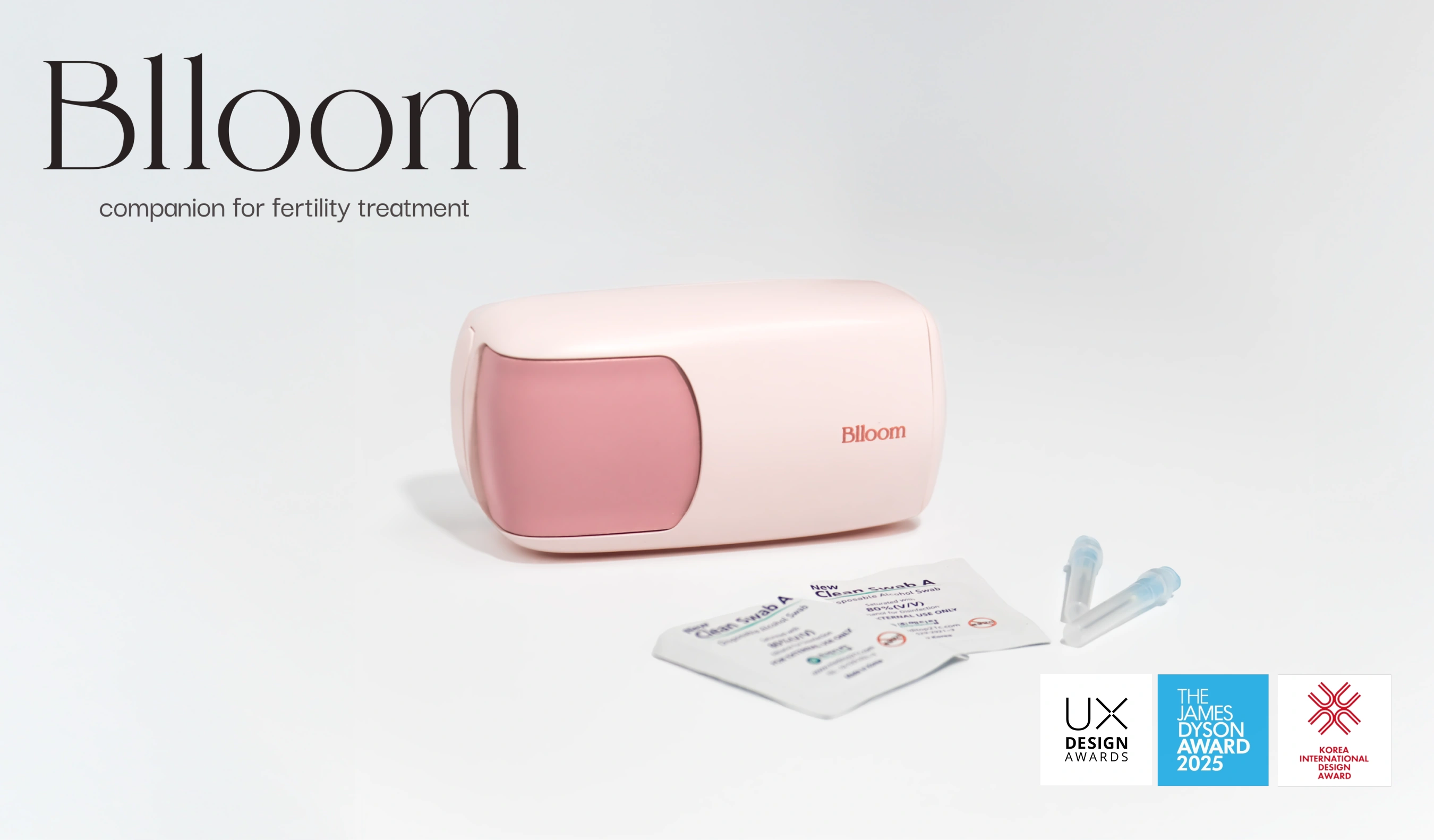
Companion for Fertility Treatment
My Role
ResearchProduct DesignFilm Design
Timeline
10 months
2025. Mar - 2025. Dec
Skills
User Research
Product Design
Prototyping
Awards
UX Design Award
The James Dyson Award
KIDP Award
OVERVIEW
Blloom is a self-injection device designed to ease daily hormone injections in infertility treatment. With a one-button injection, built-in temperature control, and a soft, needle-concealing form, it turns a stressful medical routine into a calm, private self-care experience. An interdisciplinary project with engineers, industrial and visual designers; I led product design and co-led research planning.
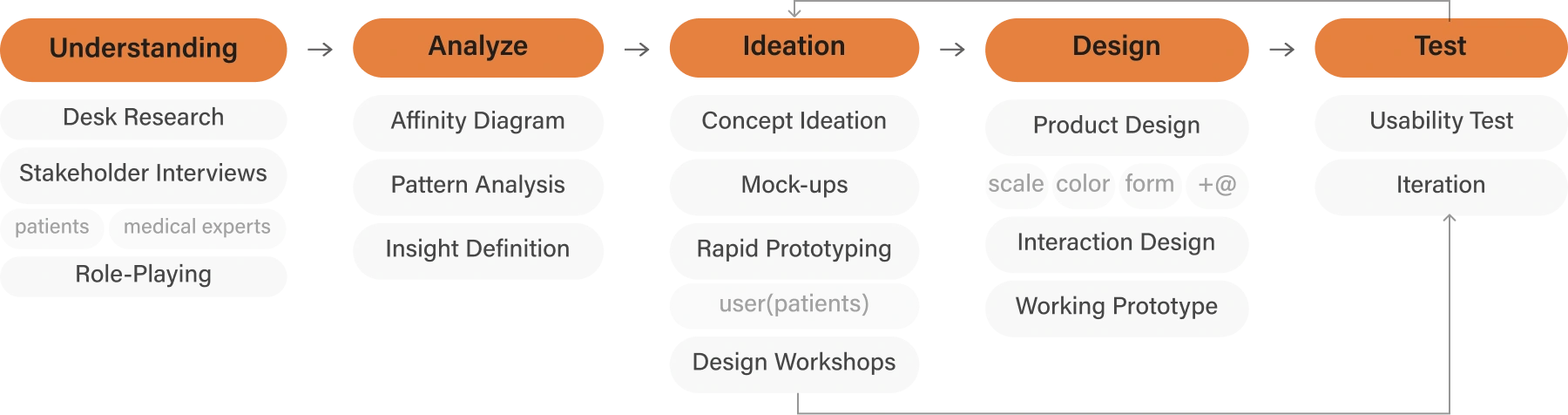
PROCESS
PROBLEM
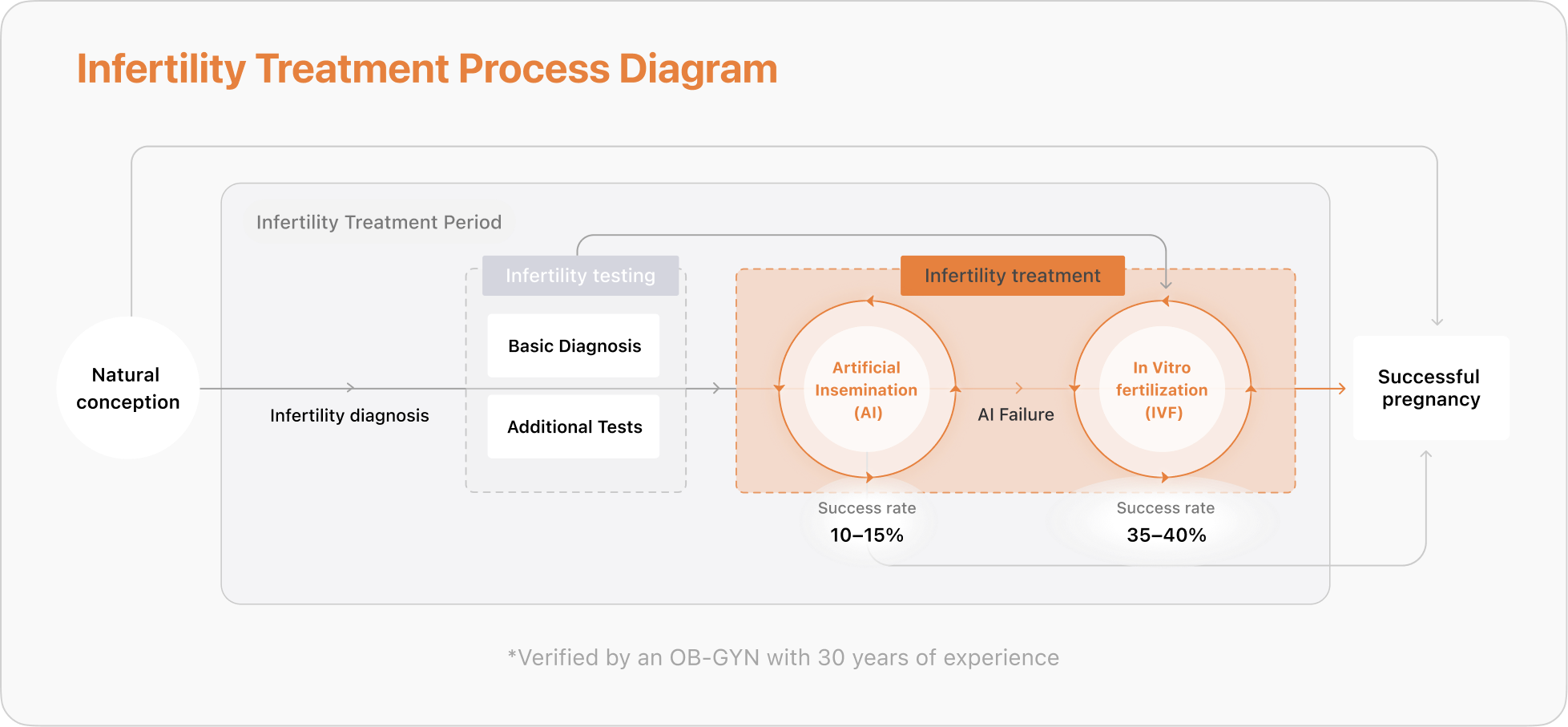
Behind the Desire for a Child, a Daily Cycle of Injections
Many people deeply long for a child and endure the physically and emotionally demanding process of infertility treatment. According to the WHO, one in six couples worldwide experiences infertility, and this number continues to rise each year.
Patients may need to self-inject up to three times a day for weeks at a time. Strict schedules, medication storage, and the need for privacy mean that treatment doesn't stay at the clinic. It follows patients into work, travel, and everyday life.
SOLUTION
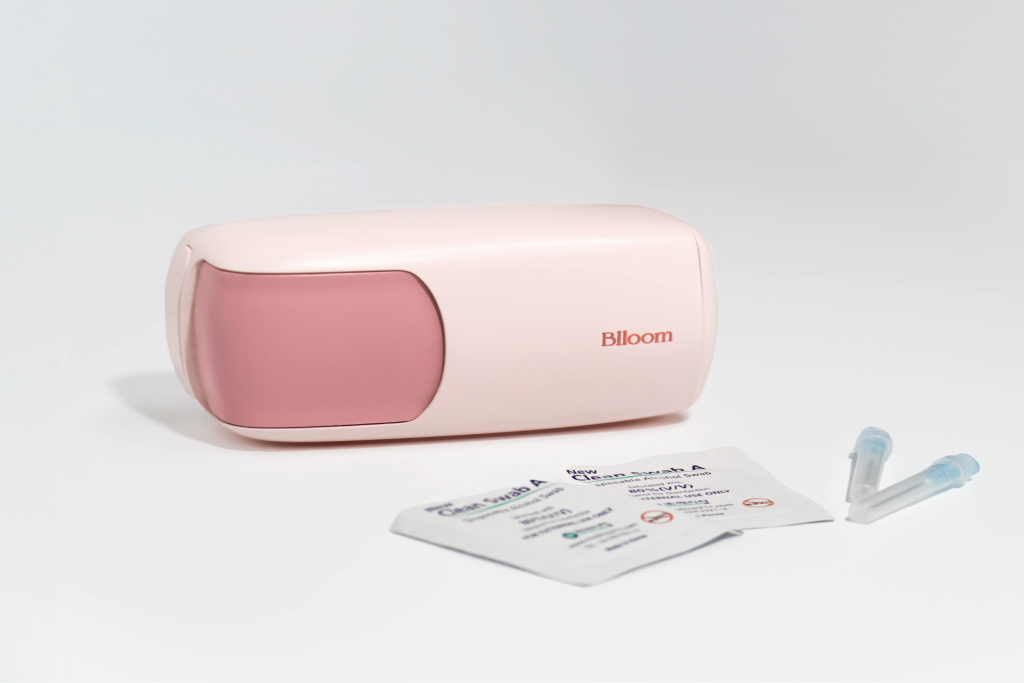
Blloom: helping people undergoing fertility treatment self-inject safely and easily in everyday life
A palm-sized injector designed for one-handed use, with a discreet form for self-injection on the go.
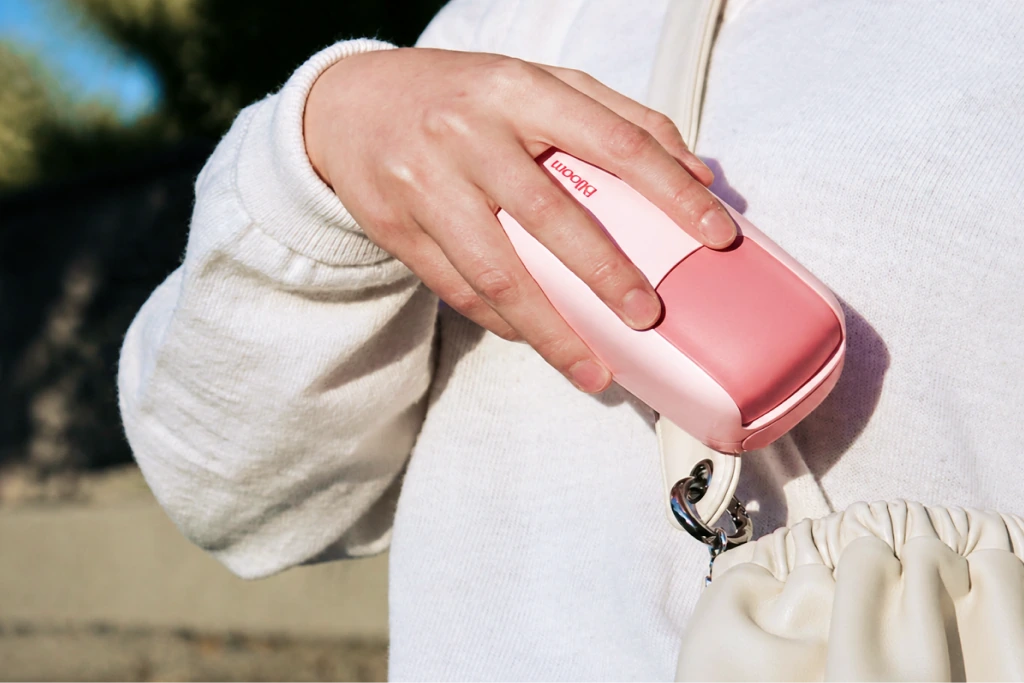
Compact and portable
·
Easy operation
·
Discreet and private use
·
Reliable medication cooling
…bringing medication storage, preparation, and injection into one portable experience.
Blloom keeps essential injection supplies together and simplifies the self-injection routine, making treatment easier to manage wherever it needs to happen.
| HOW IT WORKS
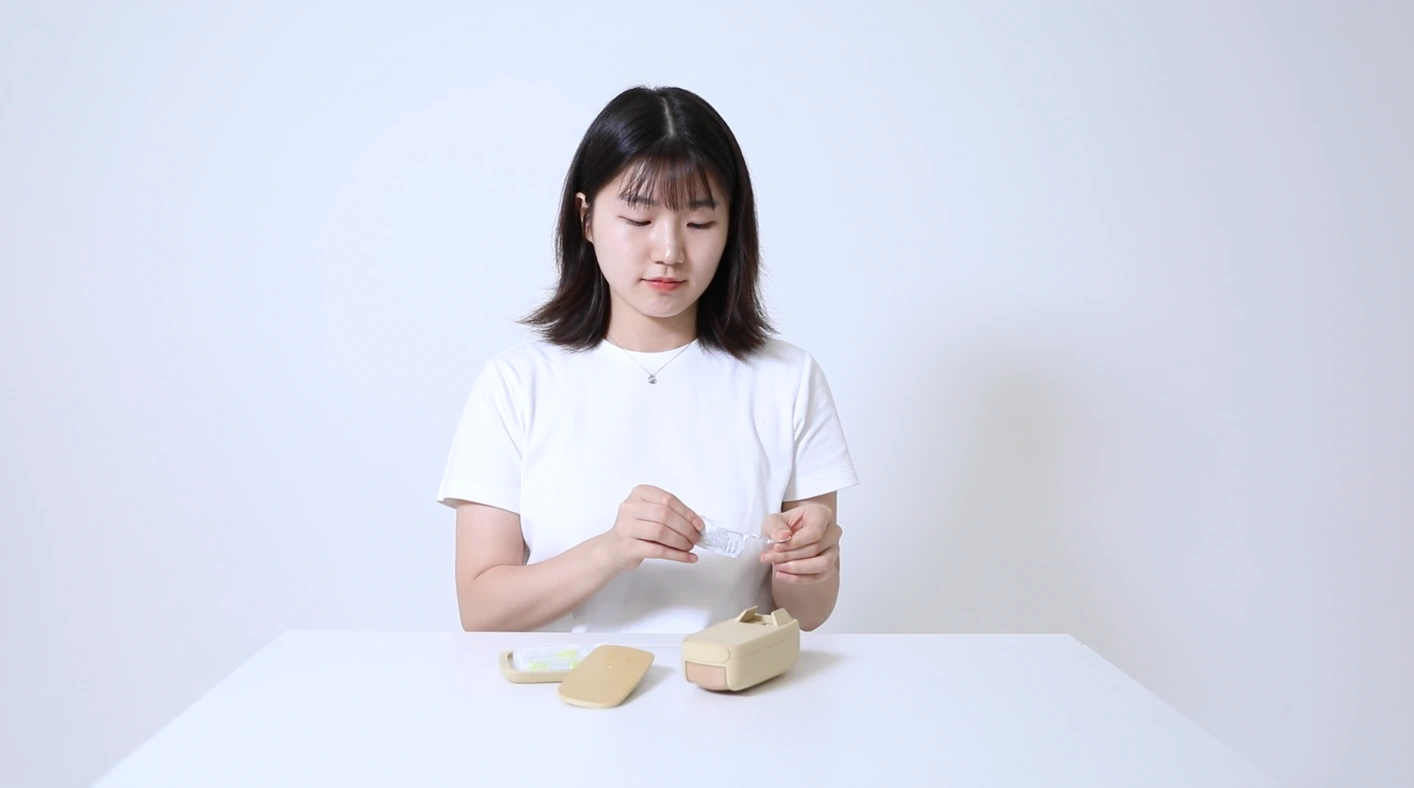

Disinfect
Clean the injection site with an alcohol swab.
Step 1
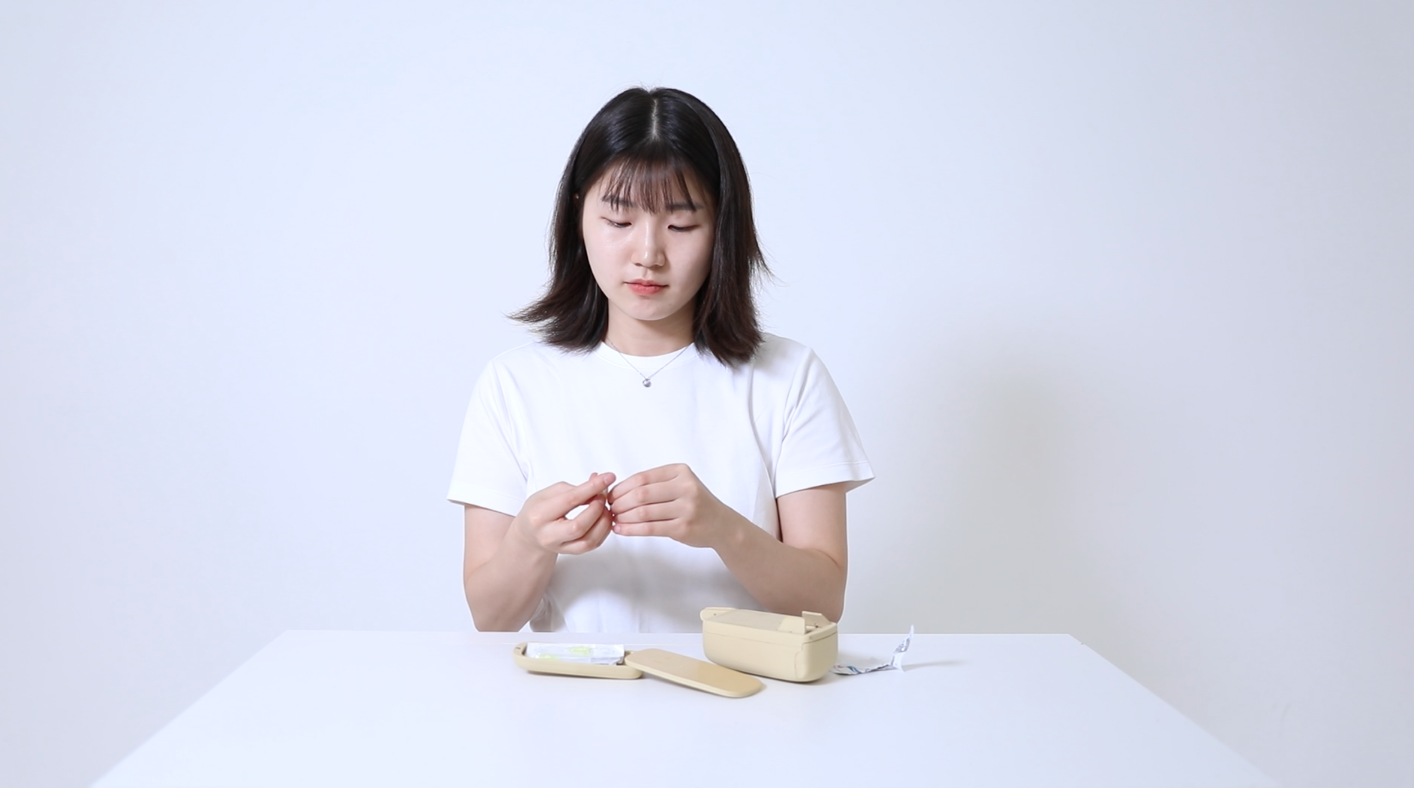

Prepare
Take the medication cartridge from the storage compartment and attach the needle to the cartridge.
Step 2
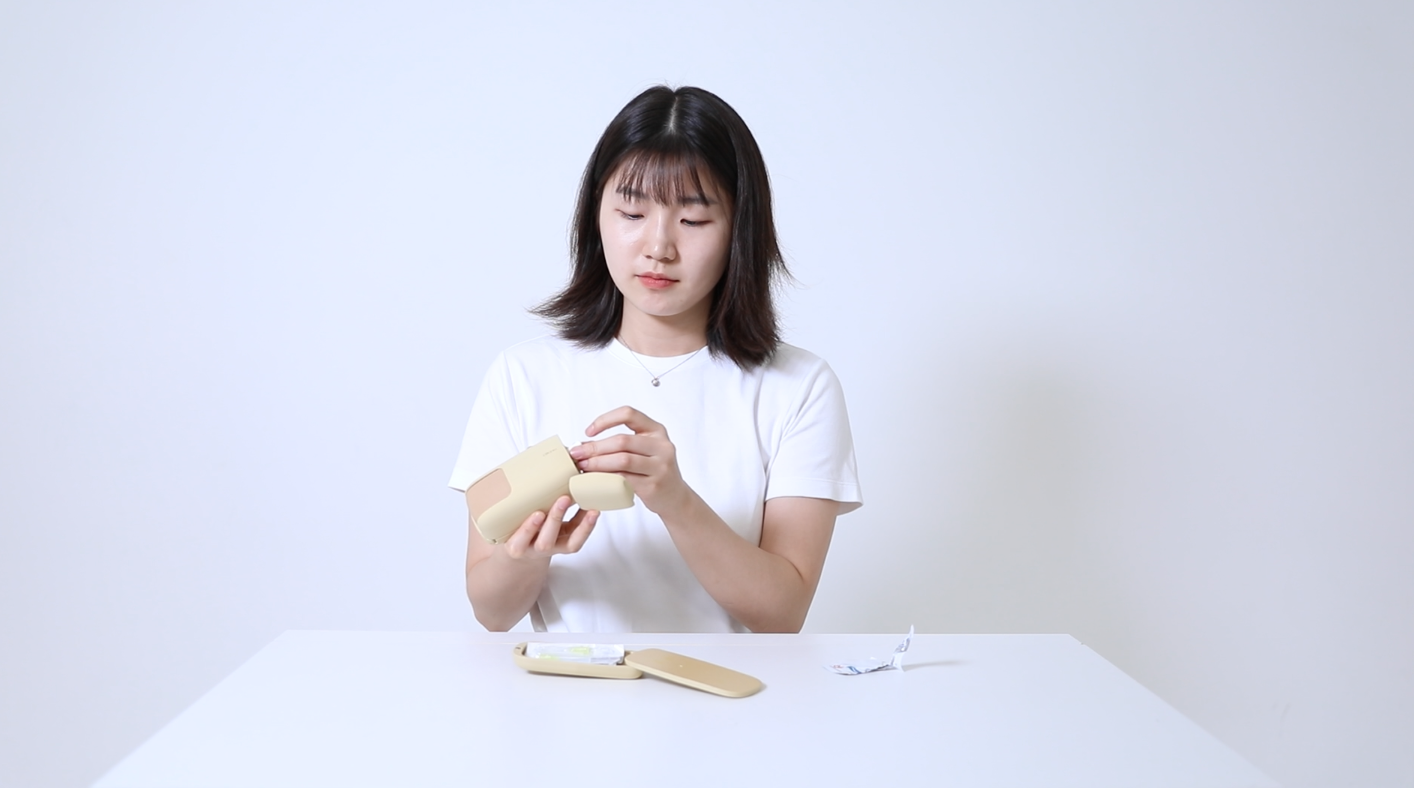

Load
Insert the cartridge into the cartridge holder.
Step 3
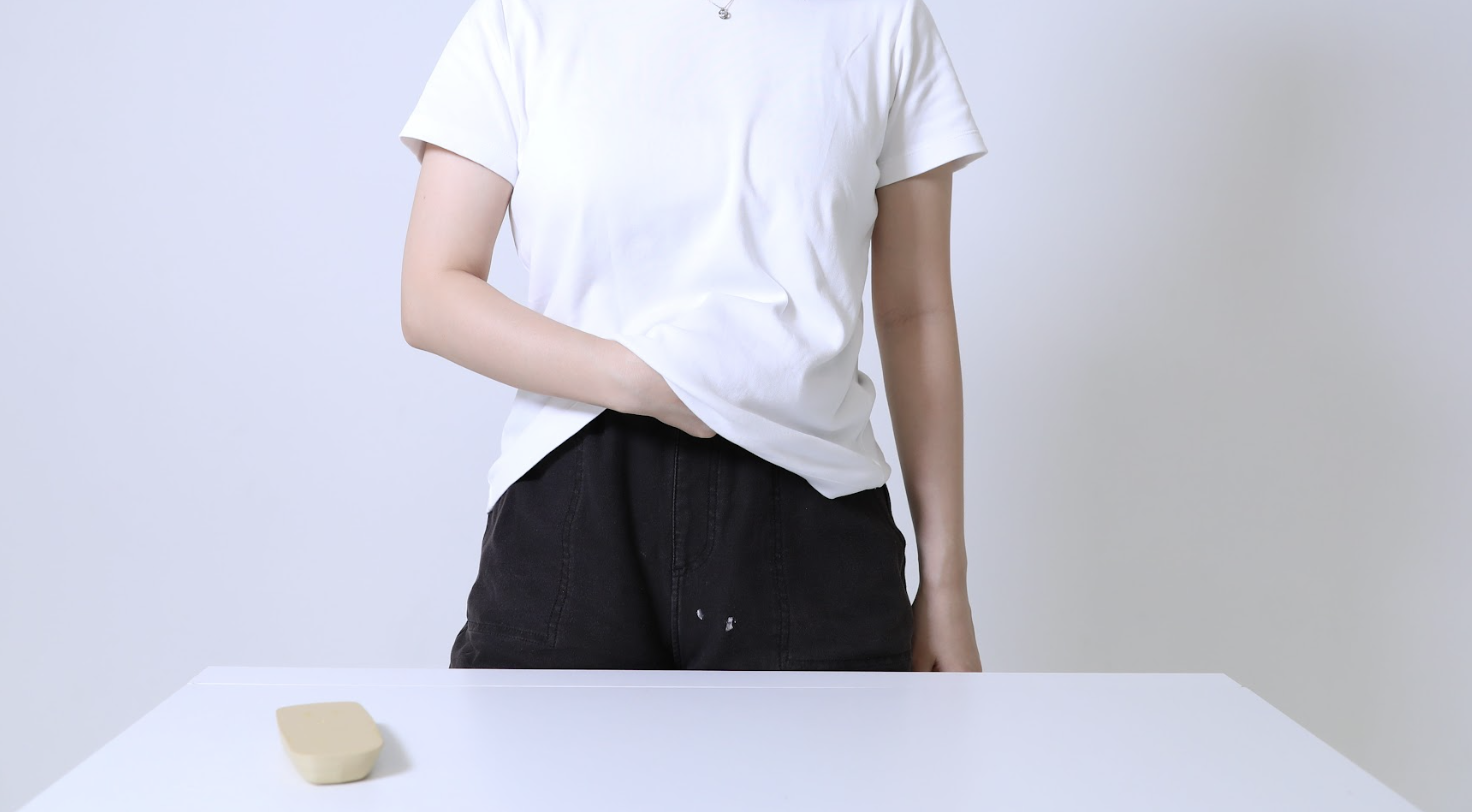

Inject
Place Blloom on the injection site to naturally stabilize the skin, then press the button to inject.
Step 4

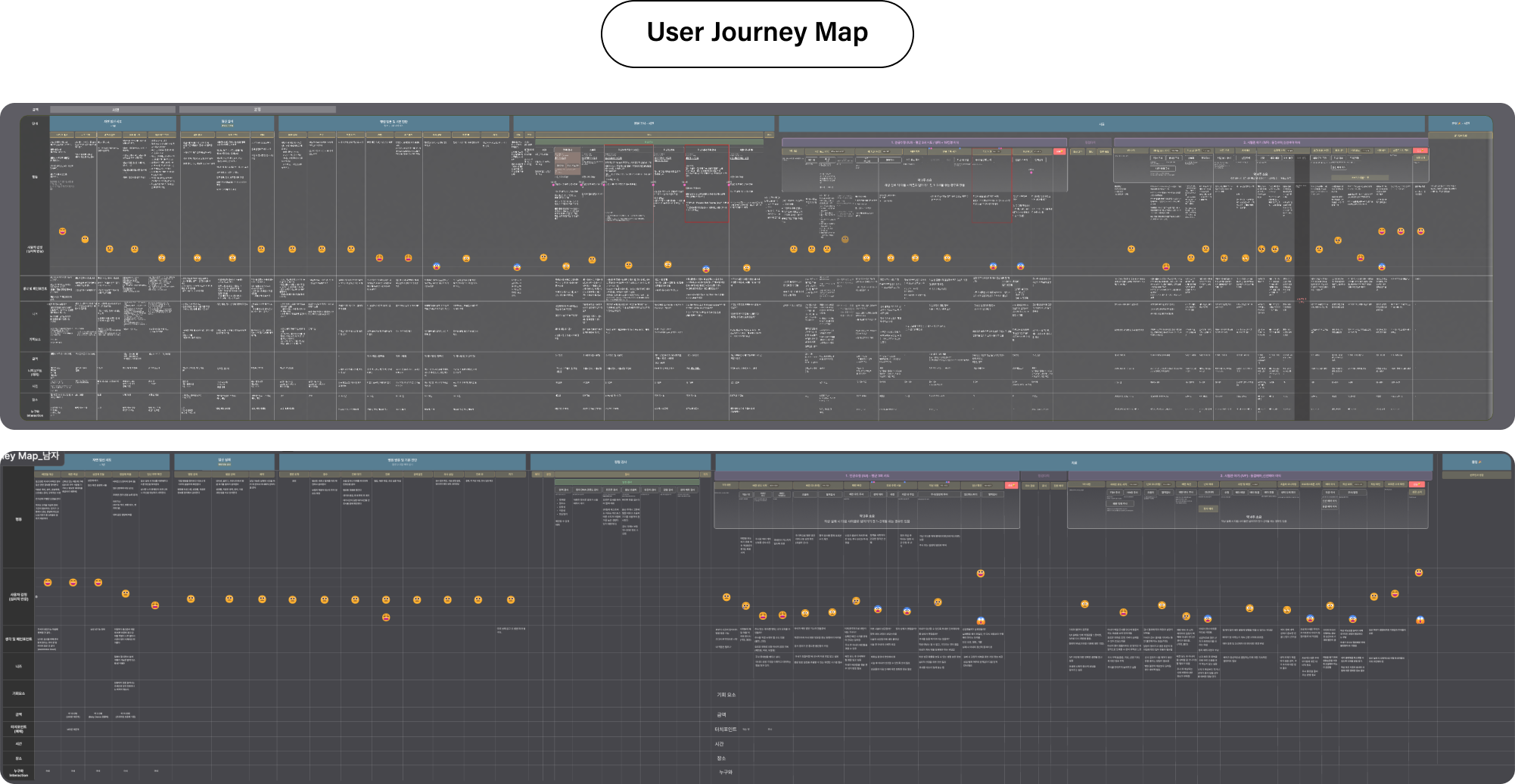
RESEARCH | Journey map & Stalkholder map
Treatment extended far beyond the clinic
Fragmented care and patient experience gaps
Our user journey mapping revealed cycles of repeated injections, complex cooling logistics, and mounting emotional strain. The stakeholder map exposed fragmented support across clinics, pharmacies, workplaces, and personal networks—showing that no single touchpoint addresses the patient's complete experience.
Current infertility treatment workflows are designed around clinical environments, not the lived contexts where patients actually manage their care. This fundamental mismatch forces patients to choose between treatment adherence and normal life, leading to social withdrawal, routine disruption, and heightened psychological distress.
USER RESEARCH
Hear directly from patients
Patients were adapting their lives around treatment
In-depth interviews with 9 women who have experienced infertility treatment revealed that patients often injected themselves in uncomfortable restroom stalls and felt ashamed carrying large, hospital-branded cooler bags that exposed their treatment. These physical and emotional burdens led many to avoid going out, resulting in isolation and growing depression.
| Interviewees
9
Patients
31-44
Age Range
5-11
Treatment Cycles
| Key users’ voice
PHYSICAL
“
I really don’t want to administer injection myself in public restrooms. It just feels unhygienic and stressful.
P7. Female, 31
PRACTICAL
“
The cooler bag is so bulky. I hate carrying it around. It makes everything feel more uncomfortable.
P3. Female, 35
EMOTIONAL
“
I stopped meeting up with friends. I just stay home all the time because of the treatment.
P1. Female, 44
RESEARCH | In-depth User interview
Experience the context ourselves
Interviews weren't enough, so we reenacted the experience
We reenacted injection scenarios in public spaces (restroom sinks, bus stops, benches), carrying the same bulky cold pack real patients do. It revealed what interviews couldn't: the struggle of two-handed operation, anxiety over being seen, time pressure, and hygiene concerns. One-handed operation wasn't a nice-to-have; it was non-negotiable.
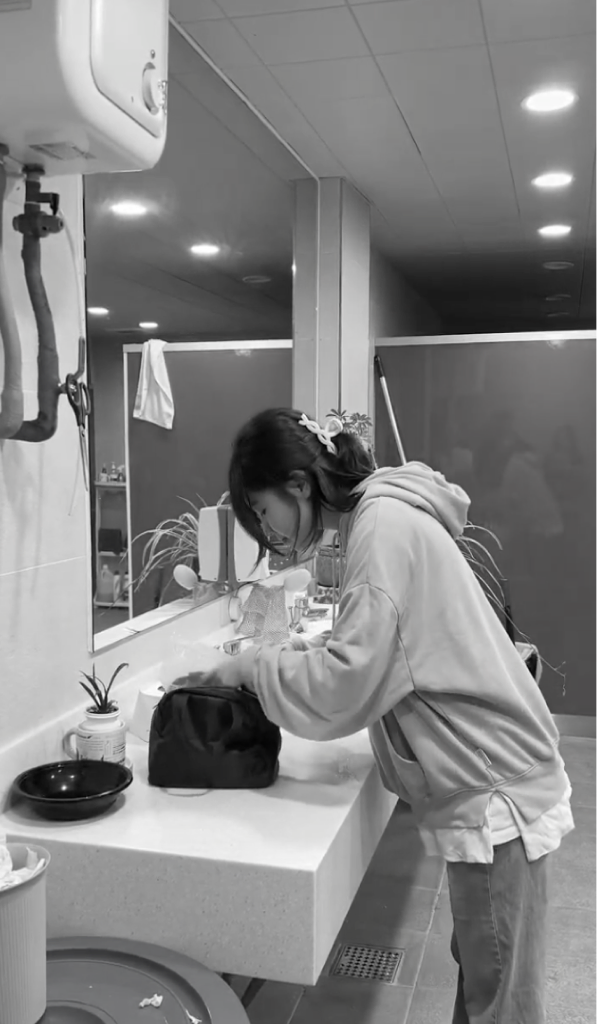
Scenario |
On a restroom sink
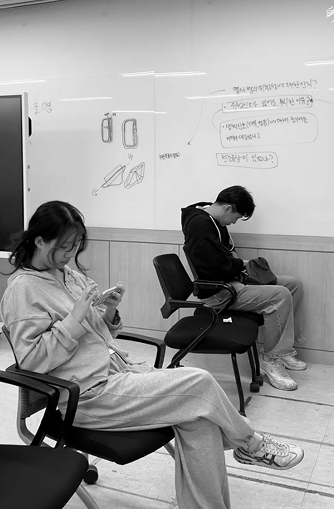
Scenario |
Inside a bus
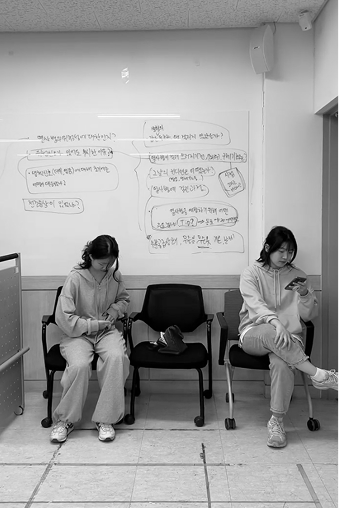
Scenario |
At a bus stop
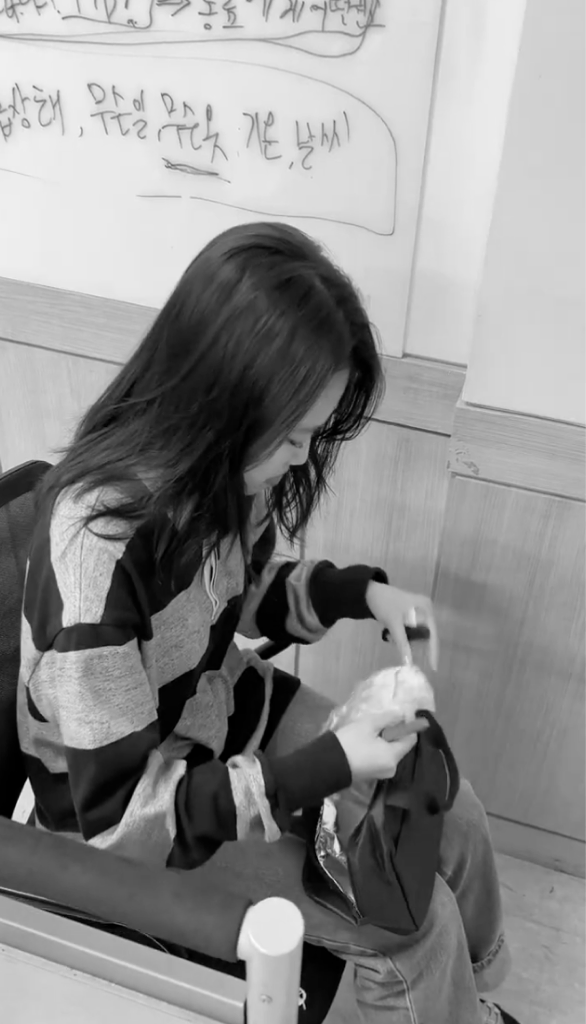
Scenario |
In a restroom stall
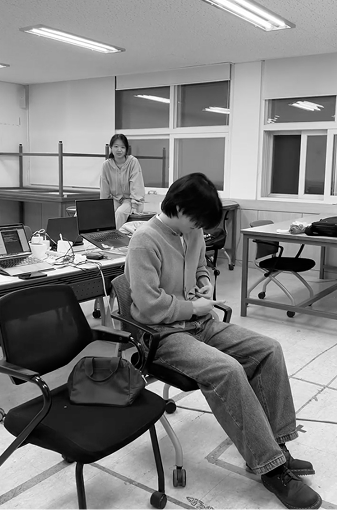
Scenario |
On a public bench
DEFINITION
How might we help fertility patients self-inject comfortably, without disrupting their daily routine or drawing unwanted attention?
Using affinity diagramming, we synthesized findings from various researches. Through three iterative clustering sessions, eight core pain points emerged: repeated injection anxiety, hospital visit fatigue, disposal confusion, persistent uncertainty, social stigma and isolation, daily routine disruption, procedural complexity, and unhygienic environments. This revealed that patient struggles form an interconnected system of barriers—pointing toward an integrated solution rather than piecemeal improvements.
Core requirements
ONE-HANDED
Inject without relying on a clean flat surface
Carry treatment without exposing it to others
Keep medication and injection essentials together
RESEARCH | Iterative Design
We kept bringing the design back to people
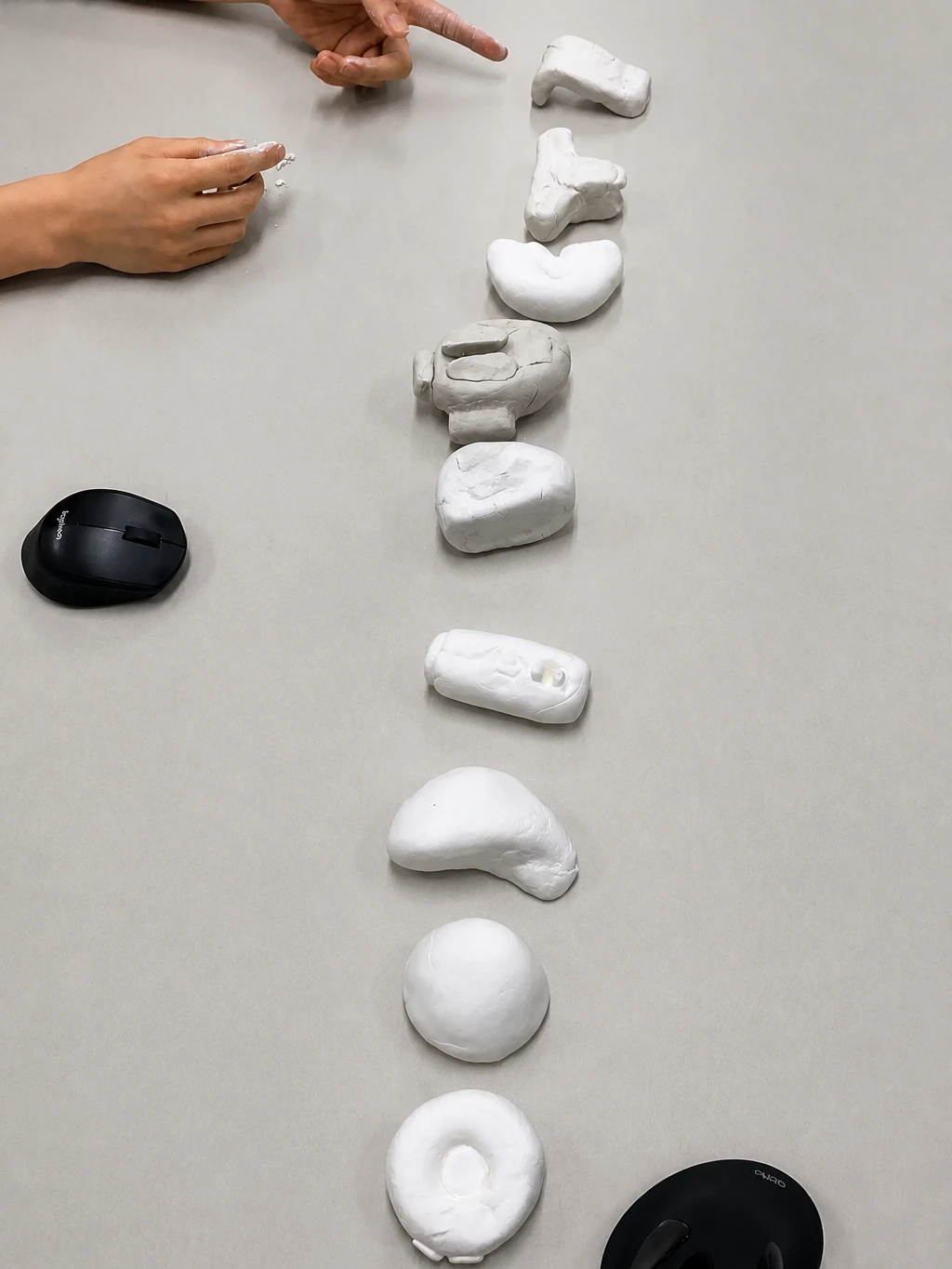
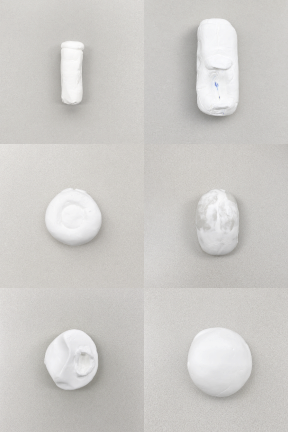
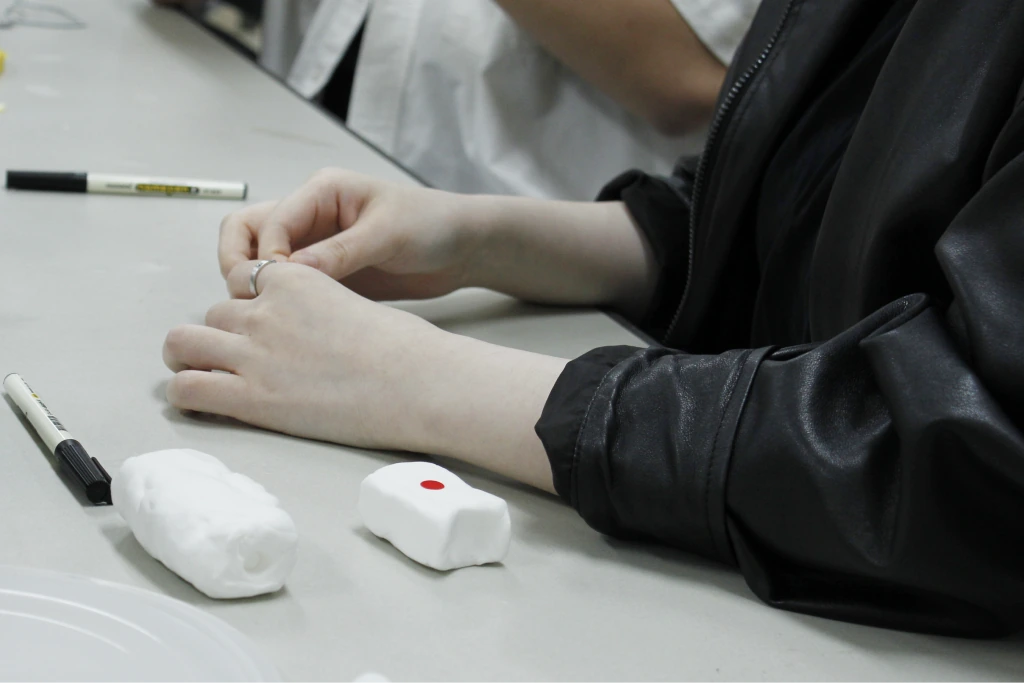
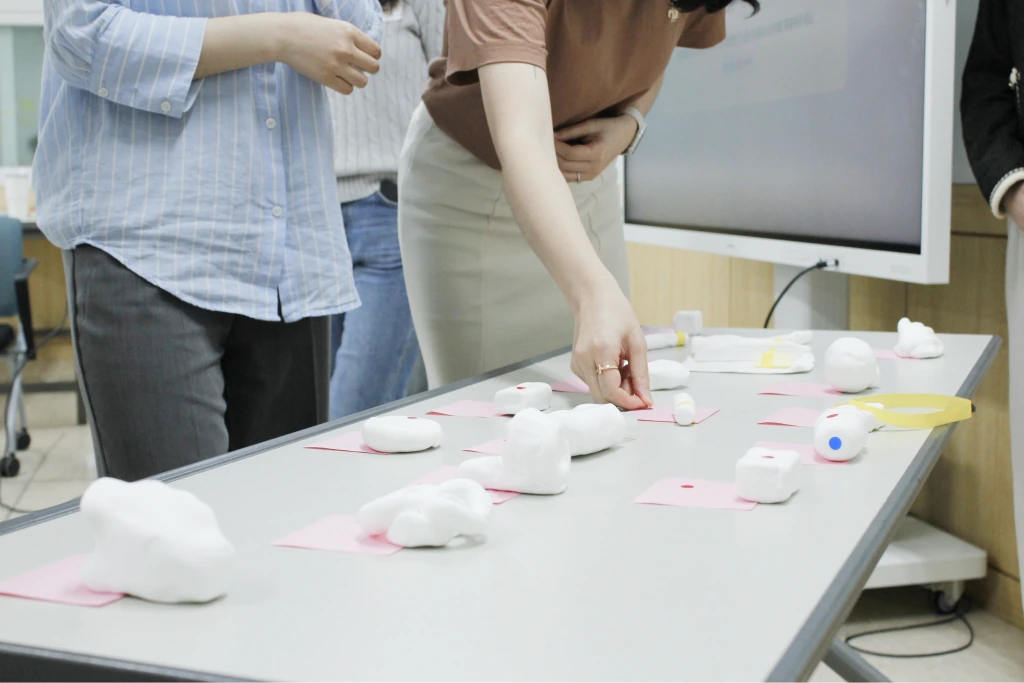
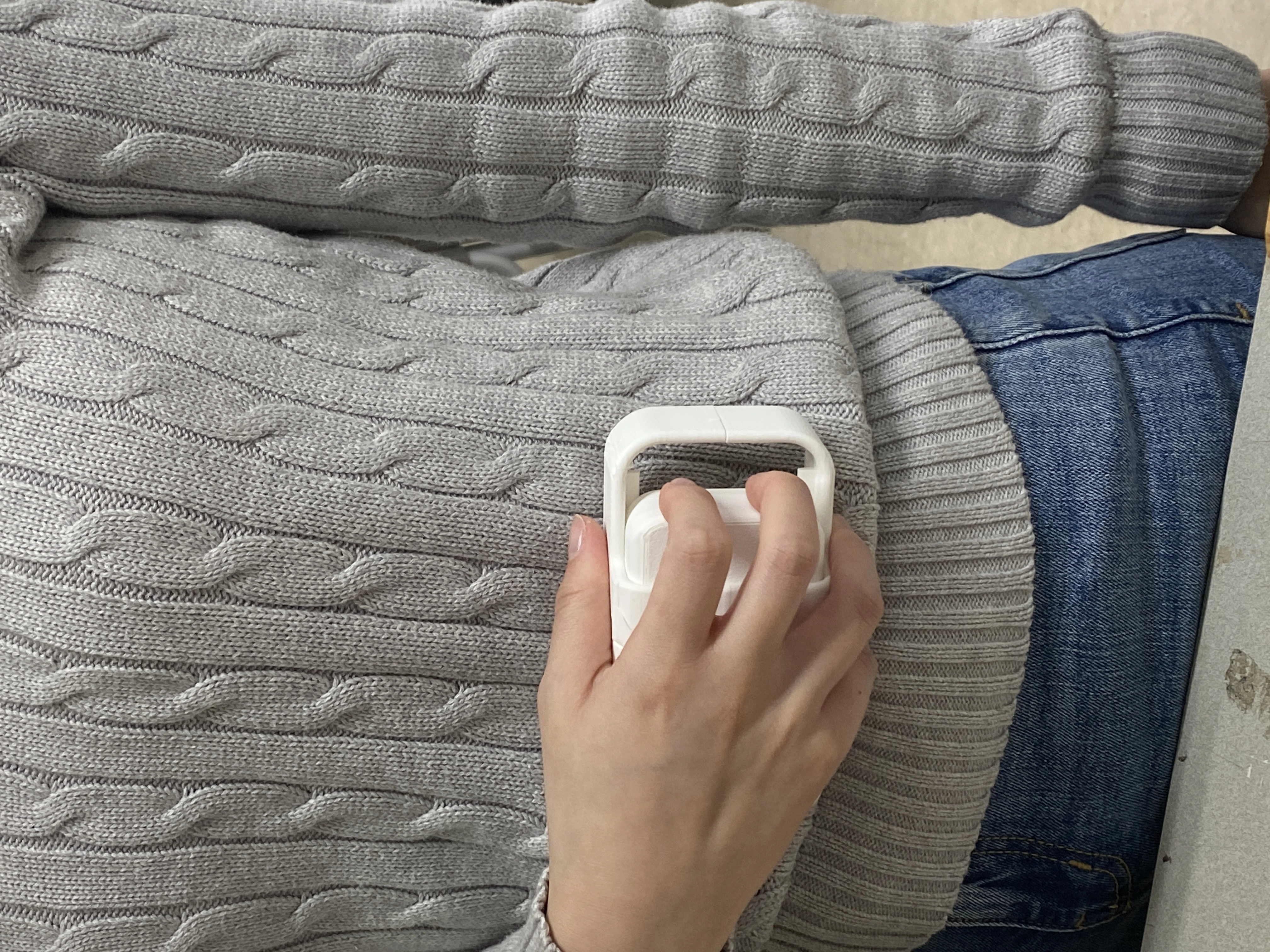
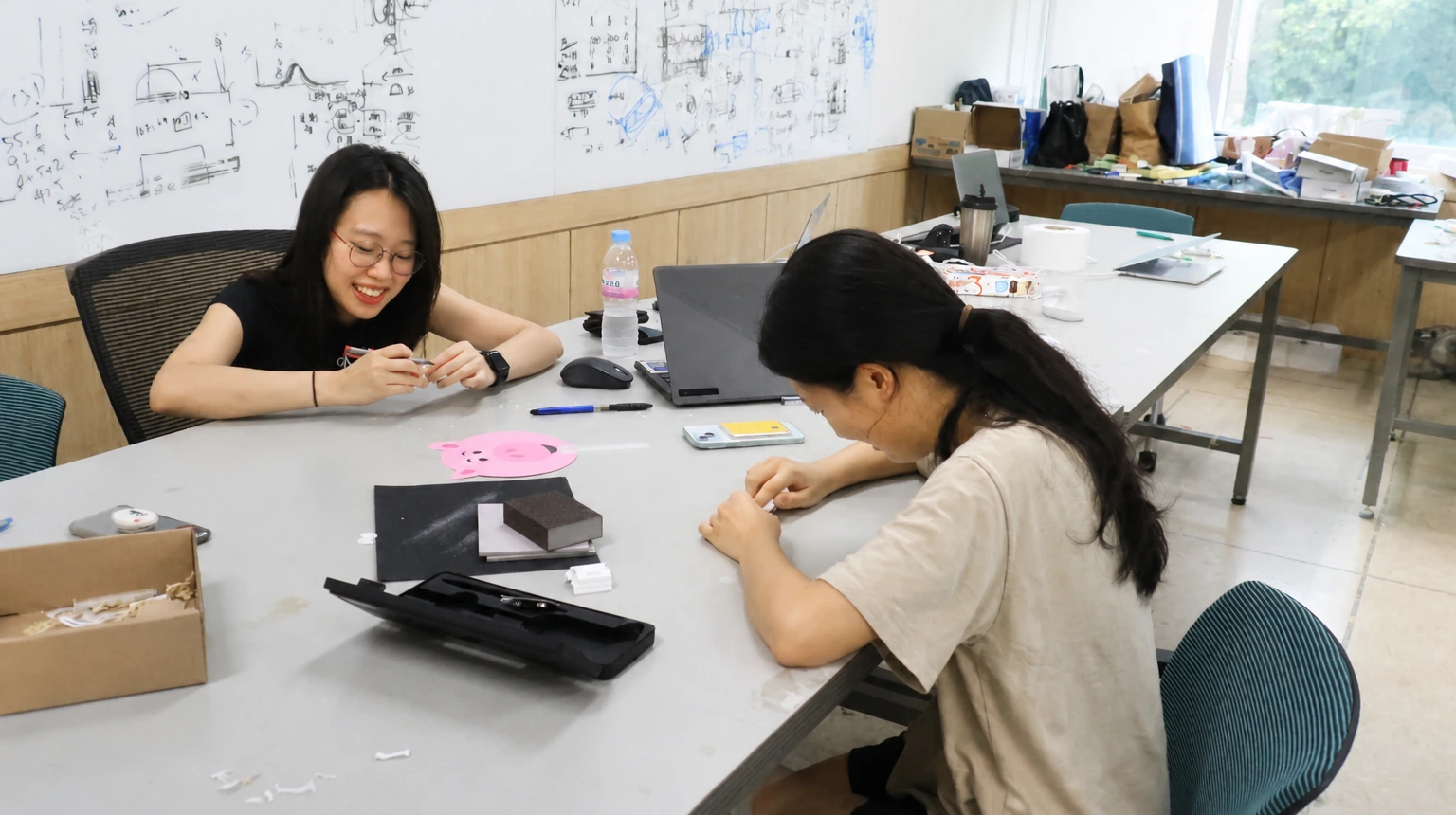
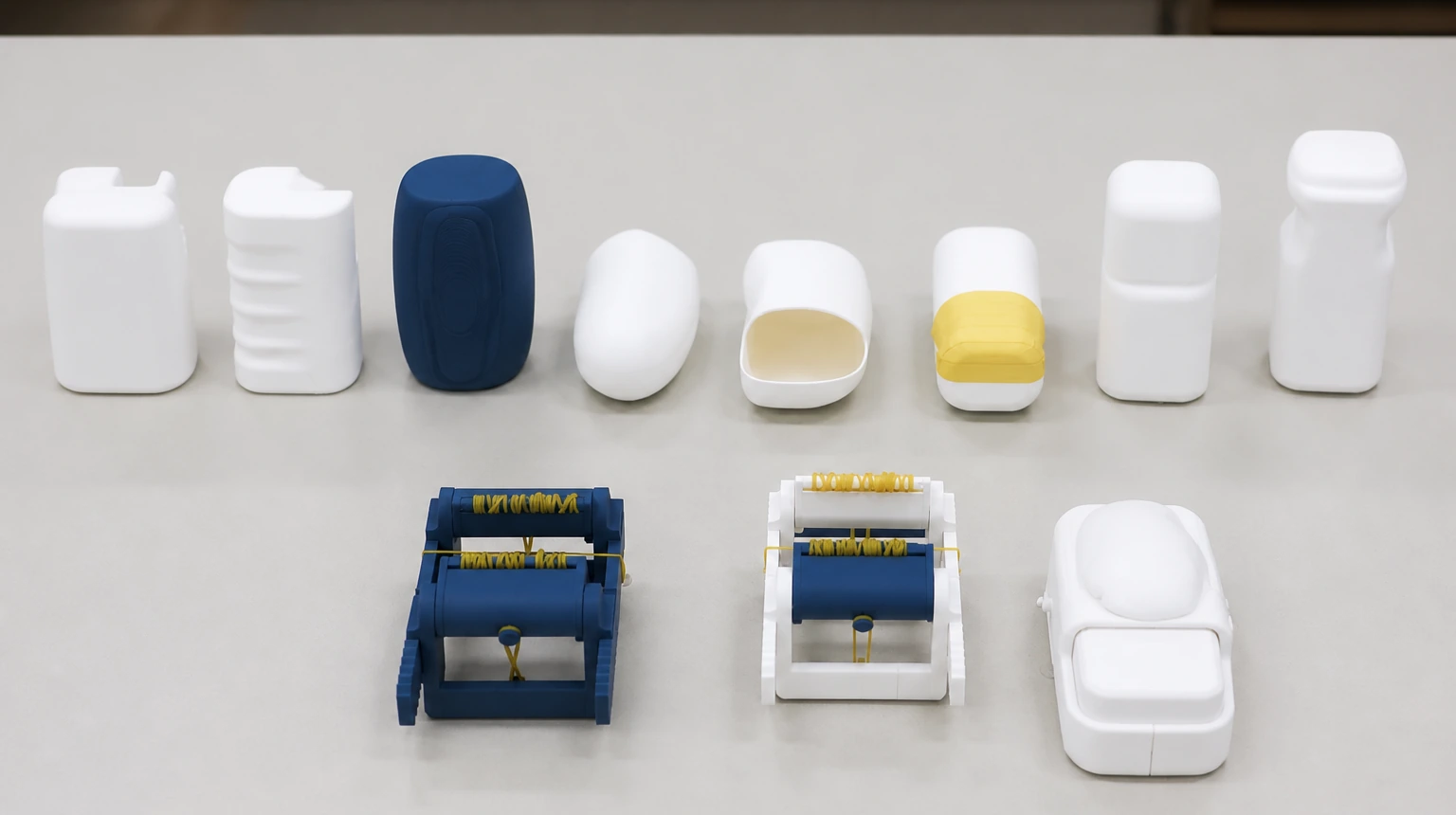
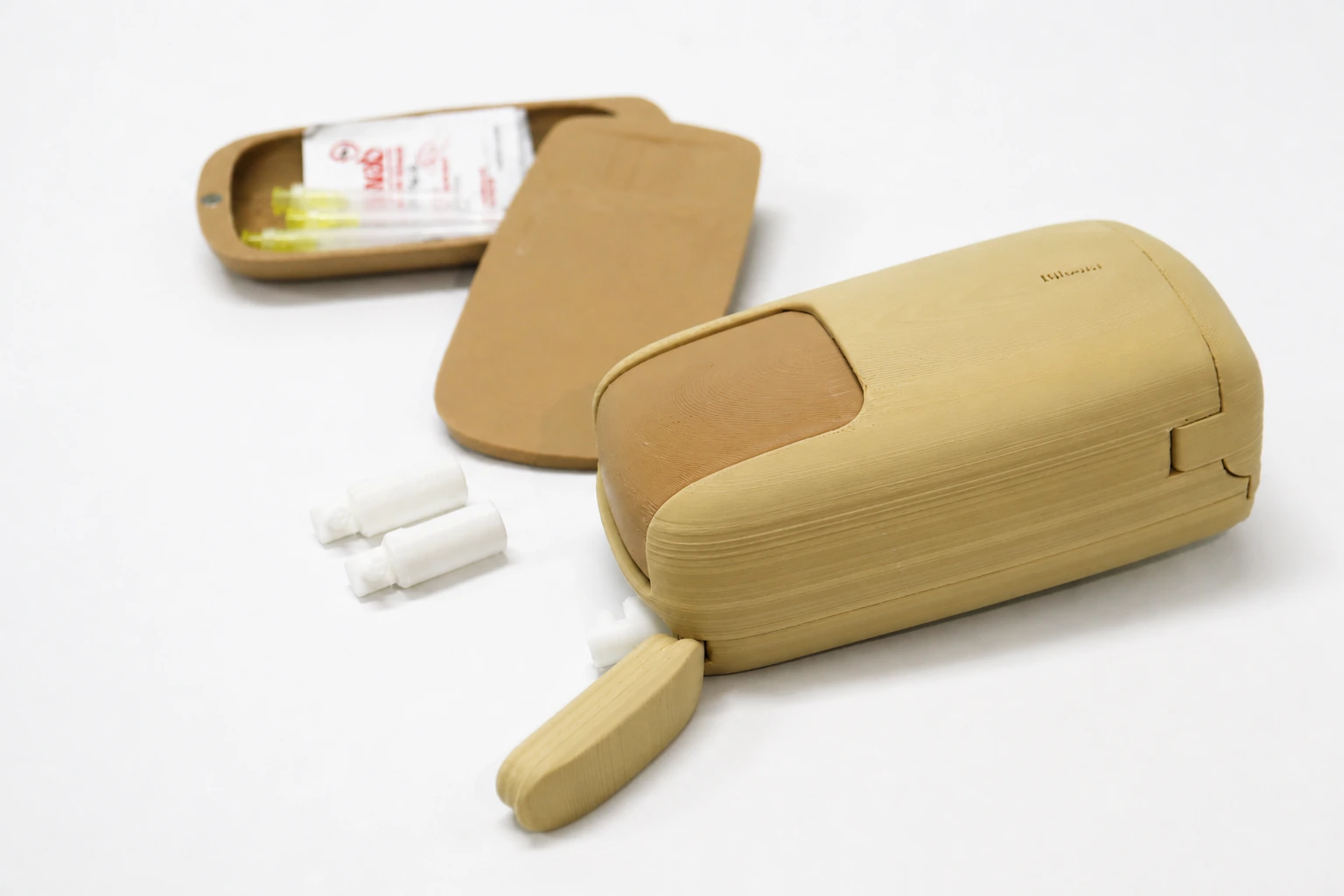
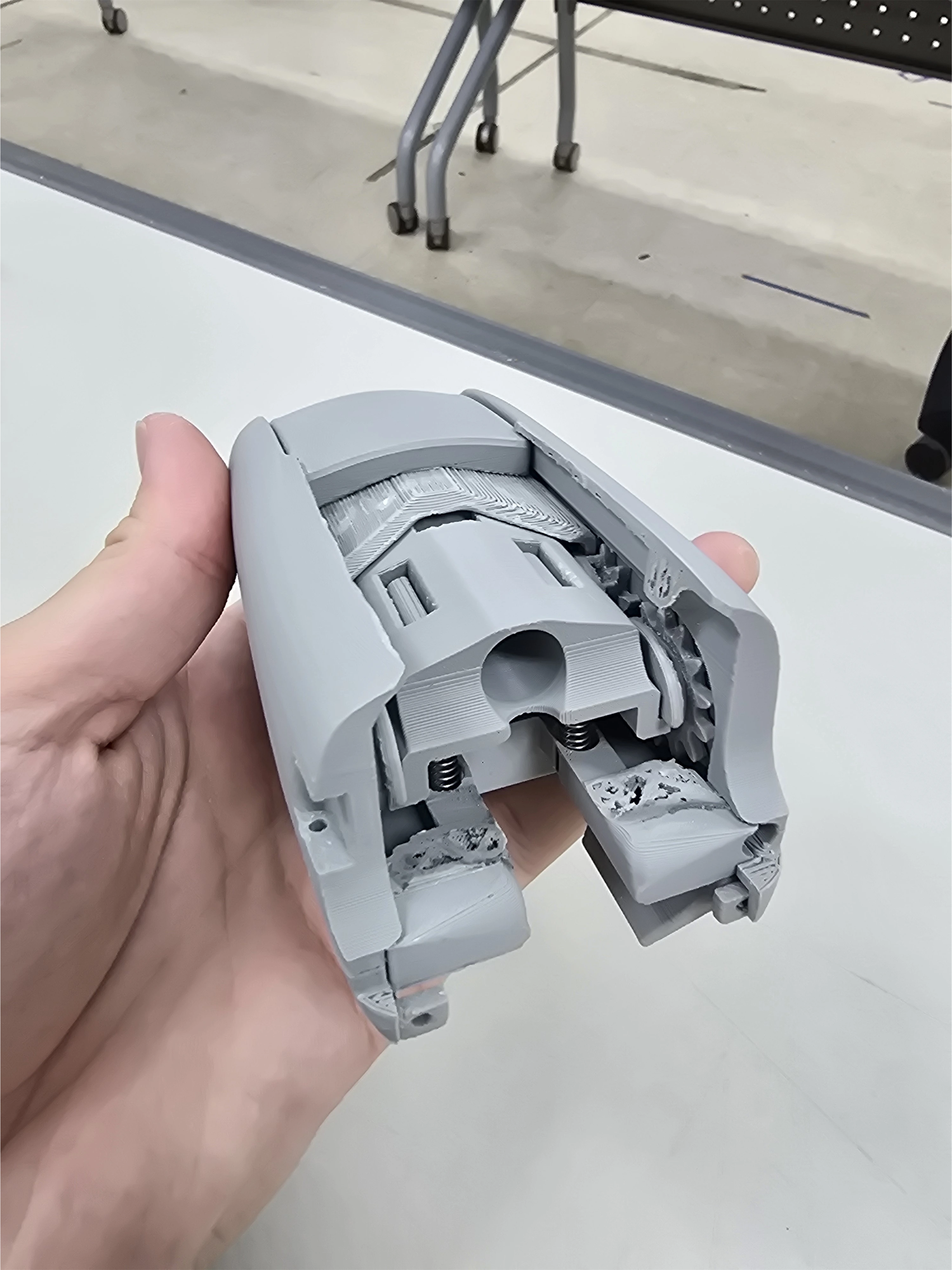
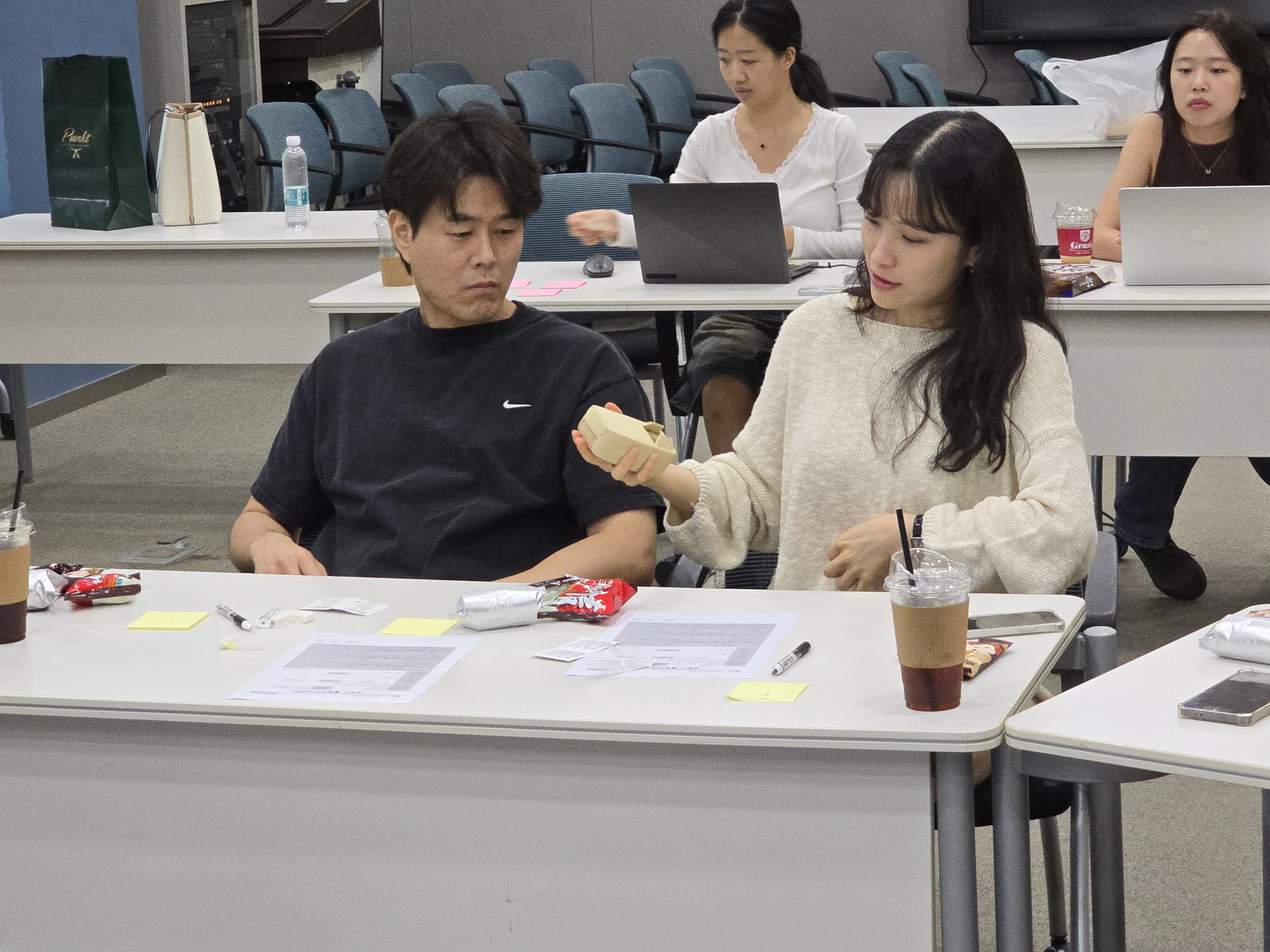
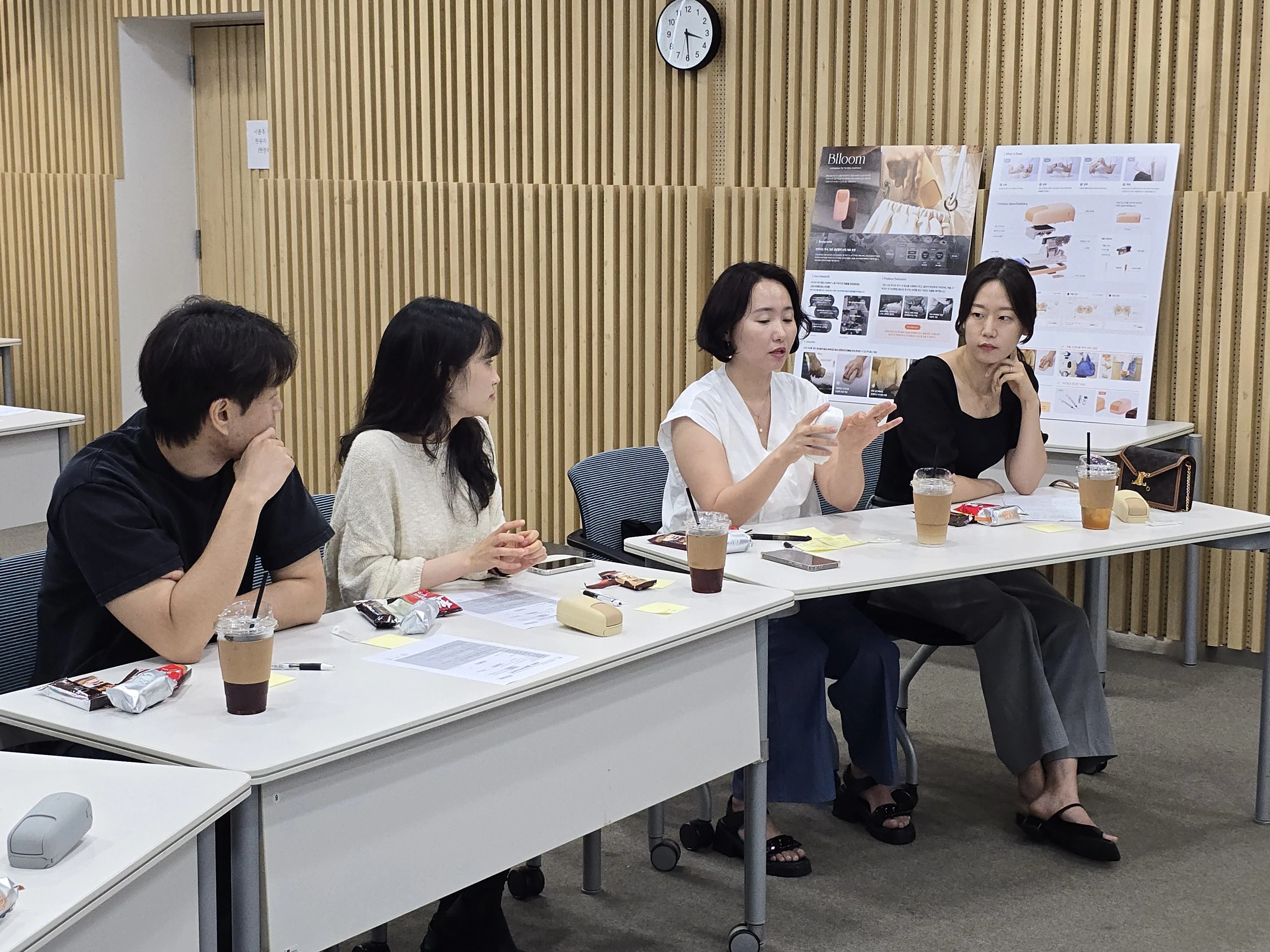
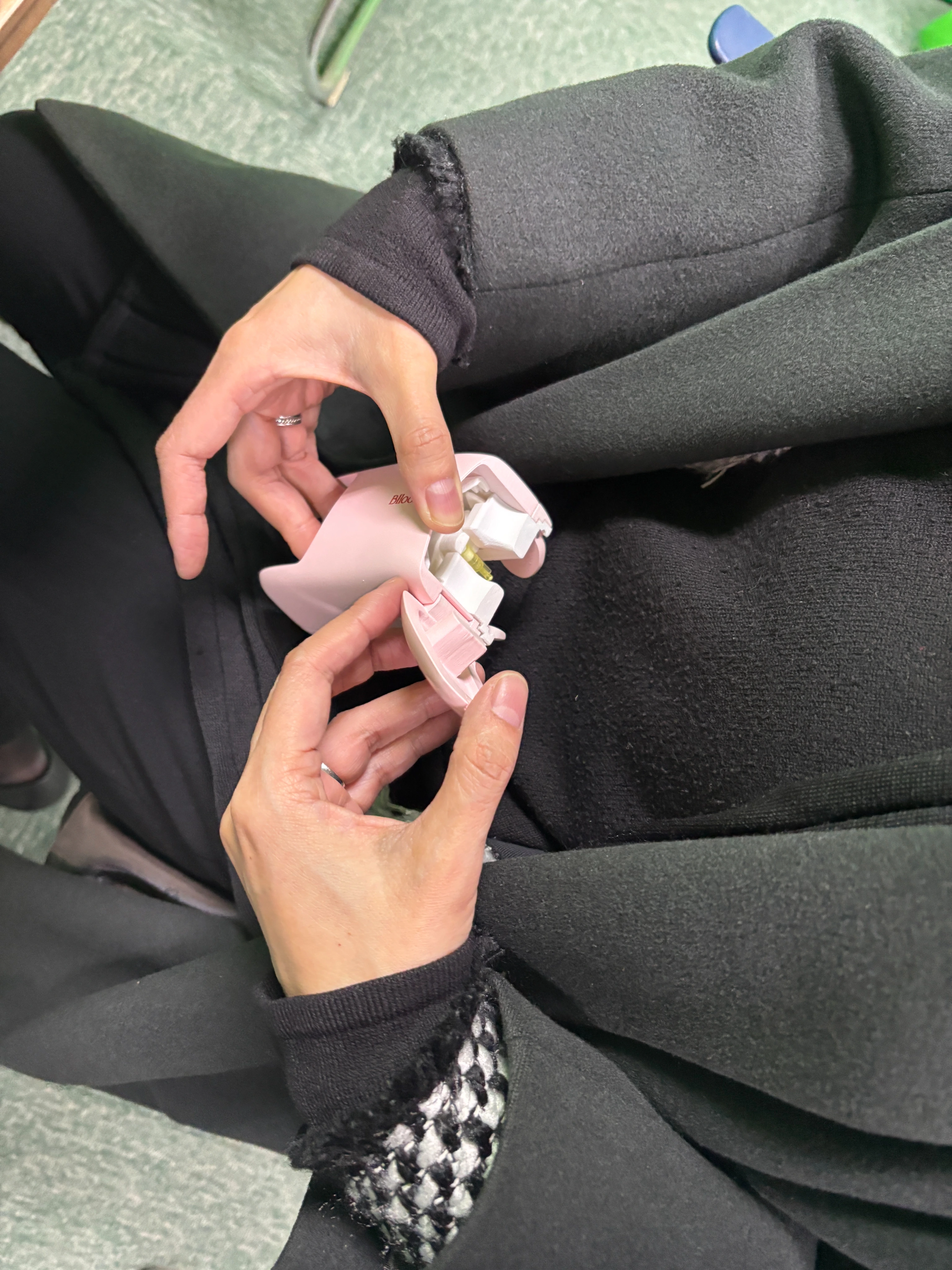
We continued testing ideas throughout development—co-creating early forms with multidisciplinary stakeholders, refining the product through prototyping, and returning to patients and clinicians for validation.
CO-CREATE
8 participants
Nurses, engineers, students & facullty
Clay form exlporation

SYNTHESIZE
Ideas combined
Exploring forms based on requirements
Early form

Test & Iterate

REFINE
Iterative prototypes
Form
Features
Tactility
→ Product decisions

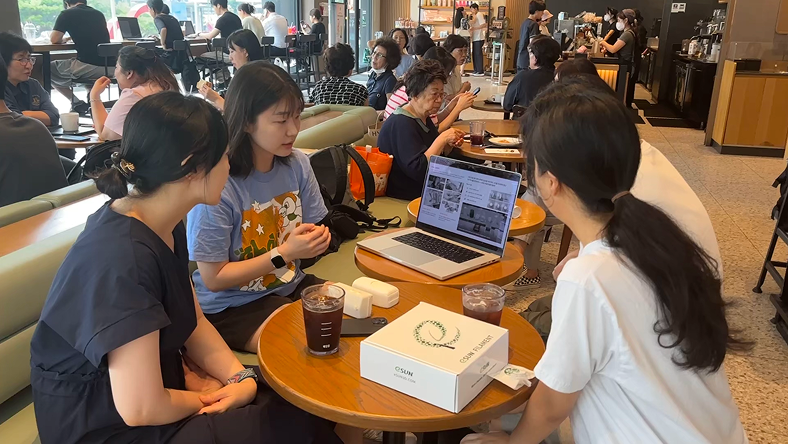
VALIDATE
Returning patients
Original participants
+ 3 new patients
+ 5 clinicians
→ Final validation

Test & Iterate

DESIGN DECISIONS
CROSS-CUTTING REQUIREMENT
Compact enough to fit into patients' daily lives
PAIN POINTS

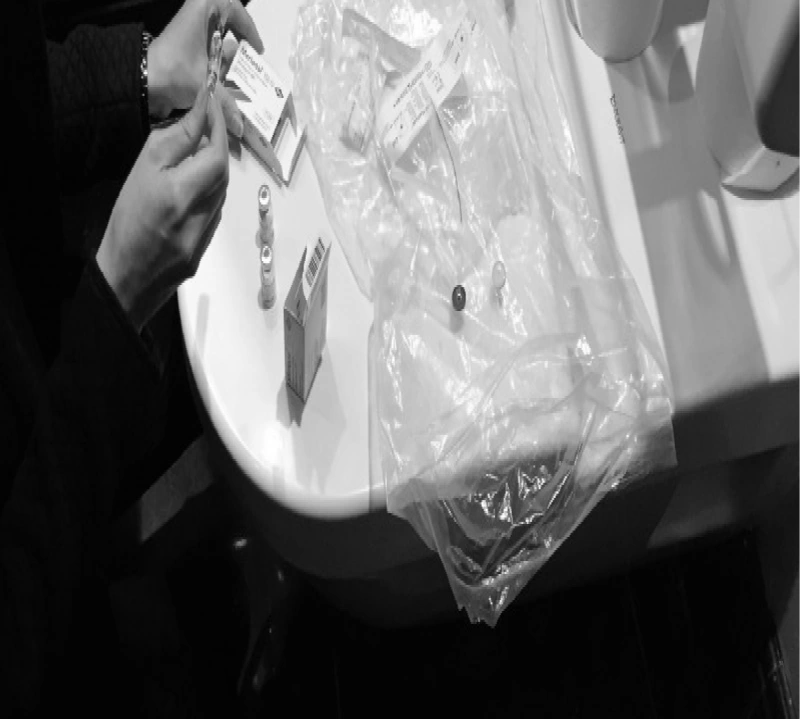
Public self-injection
discomfort
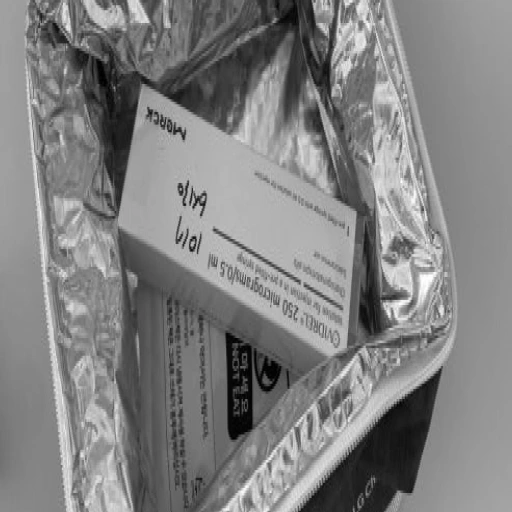
Burden of bulky cold-storage bag
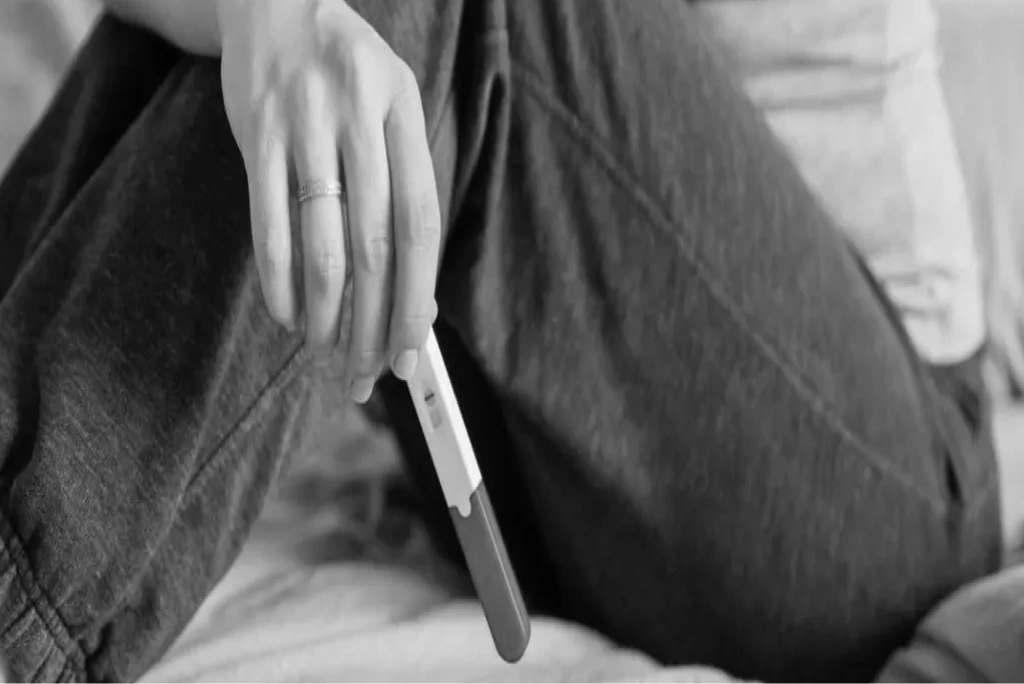
Social isolation during infertility treatment

DESIGN REQUIREMENTS


- Compact & portable
- Discreet use
- Keep medication refrigerated
- Easy to operate
OUR SOLUTION

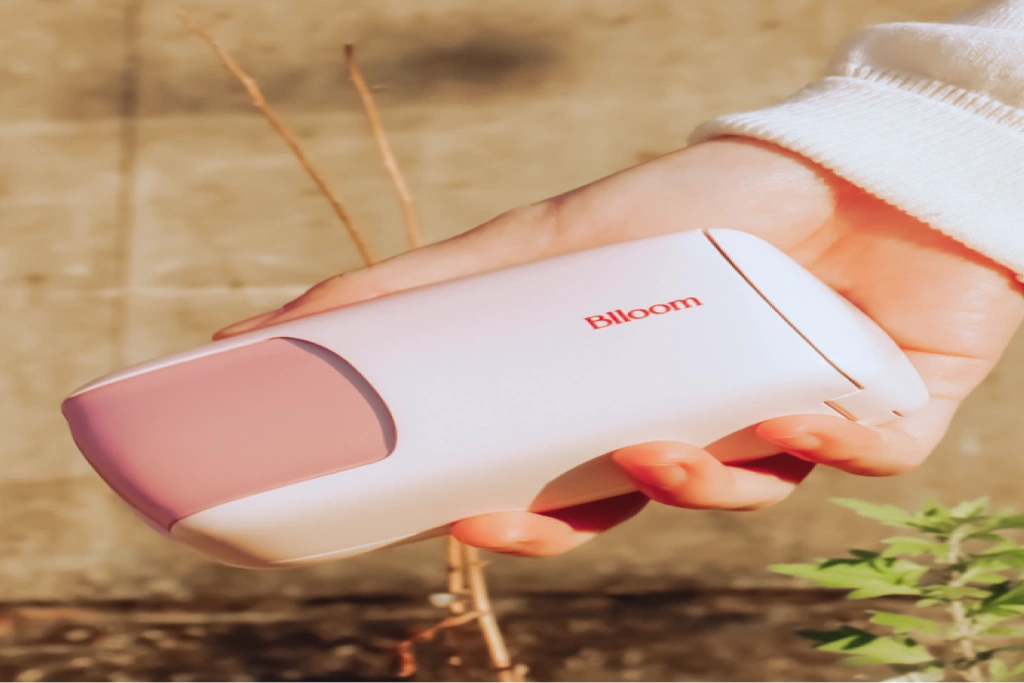

Discreet self-injection
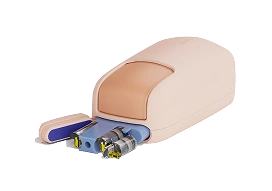
Integrated cold storage
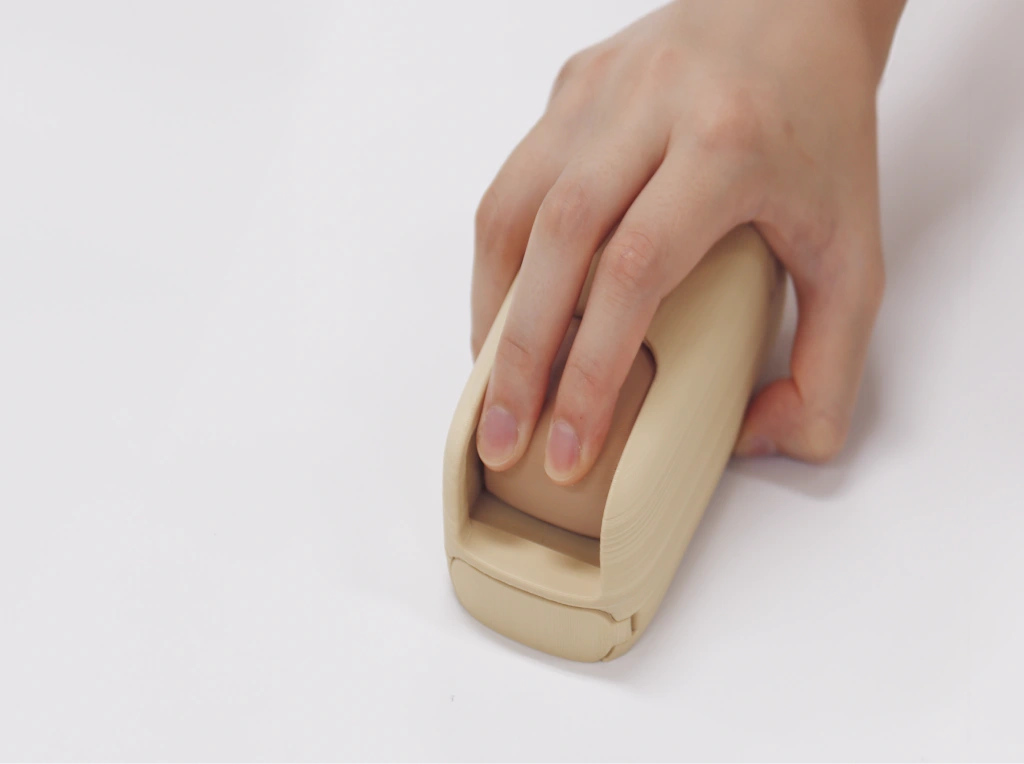
One-handedoperation
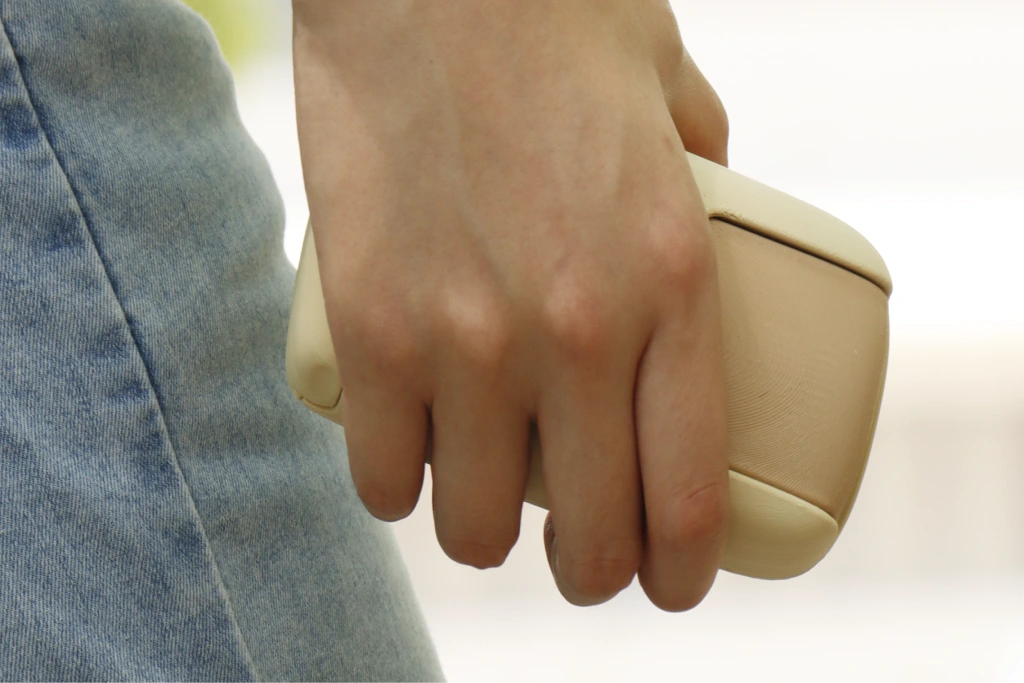
Compact, all-in-one form
RESULTS
Blloom
We continued testing ideas throughout development—co-creating early forms with multidisciplinary stakeholders, refining the product through prototyping, and returning to patients and clinicians for validation.
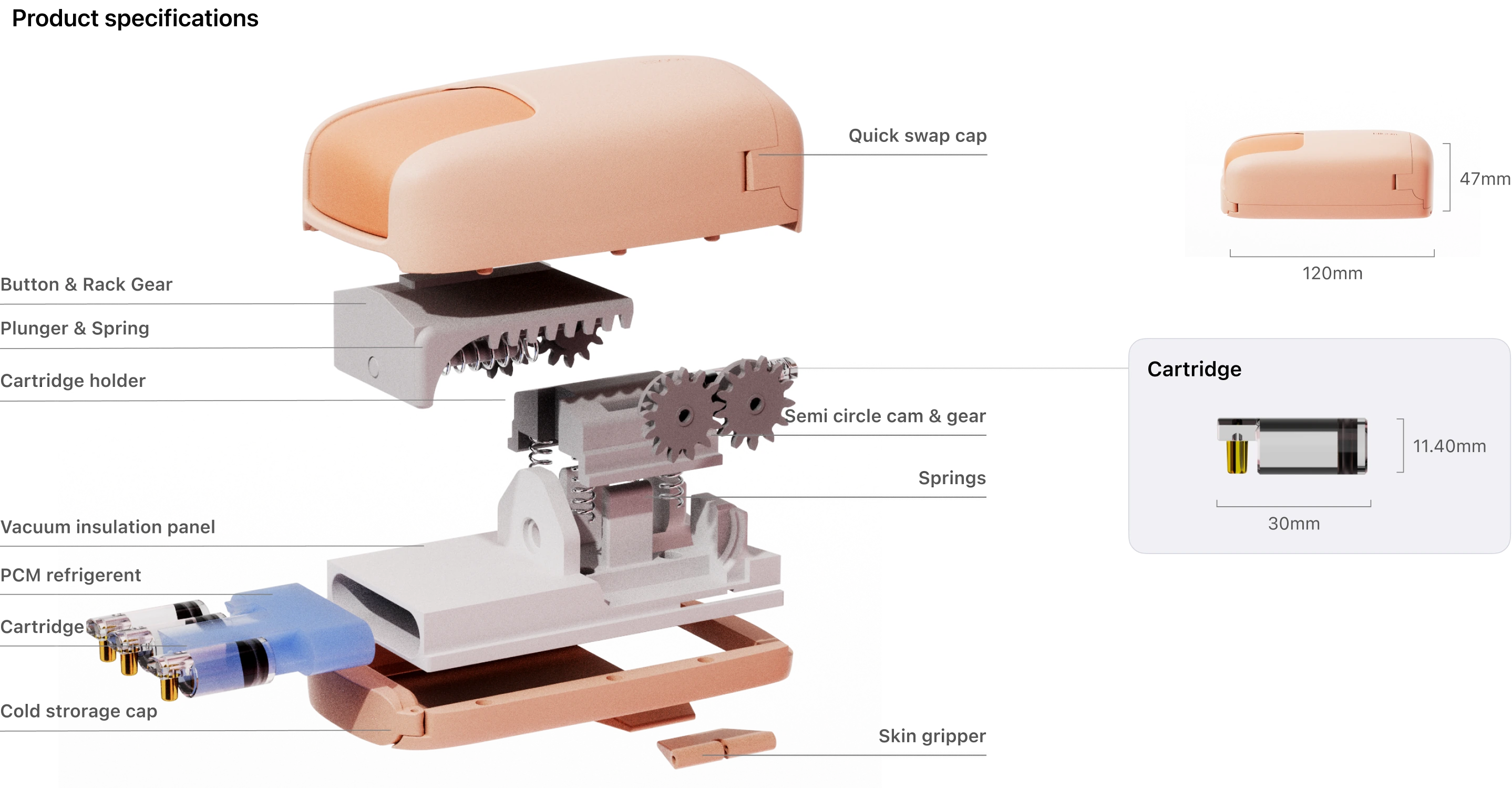
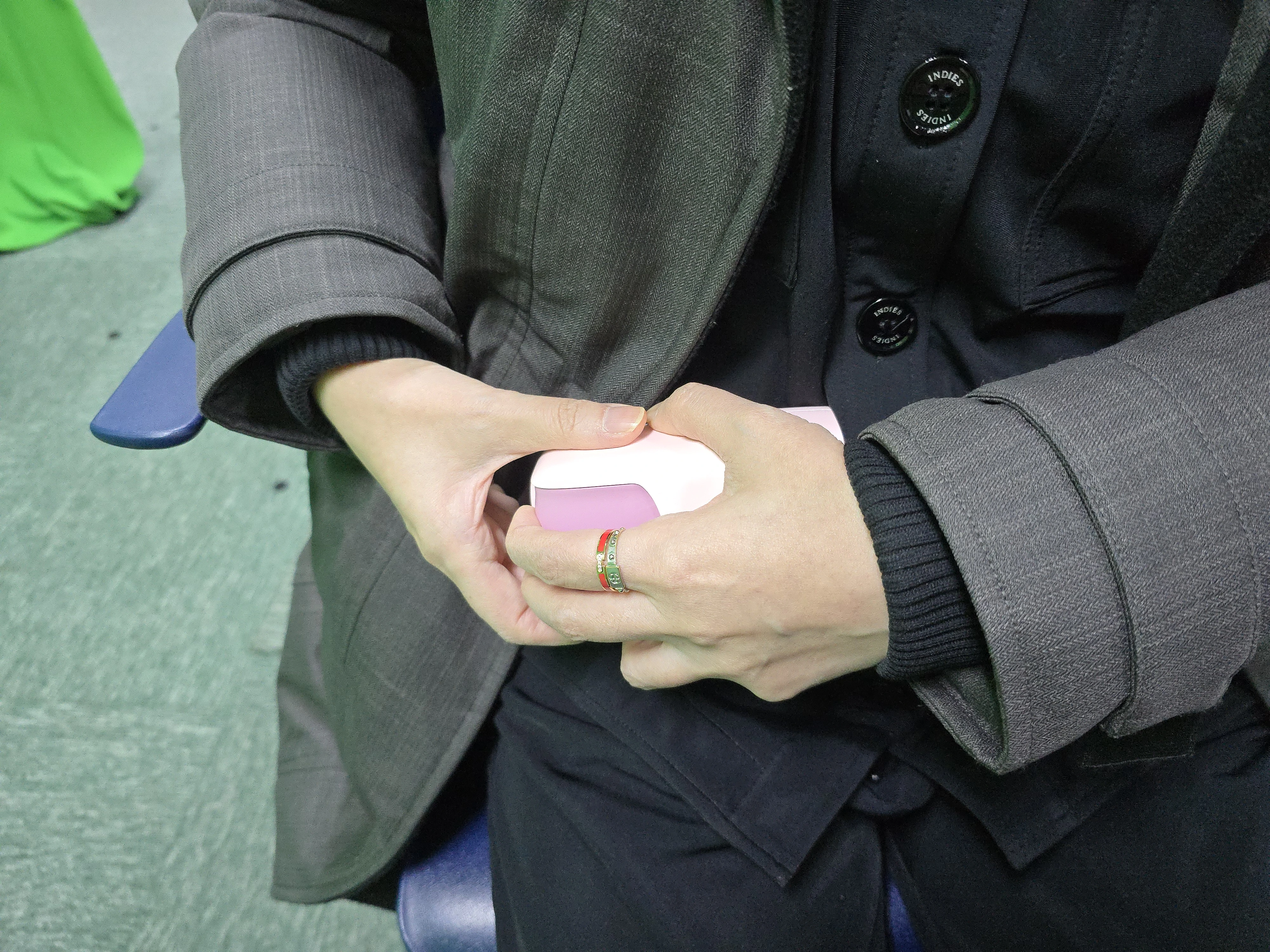
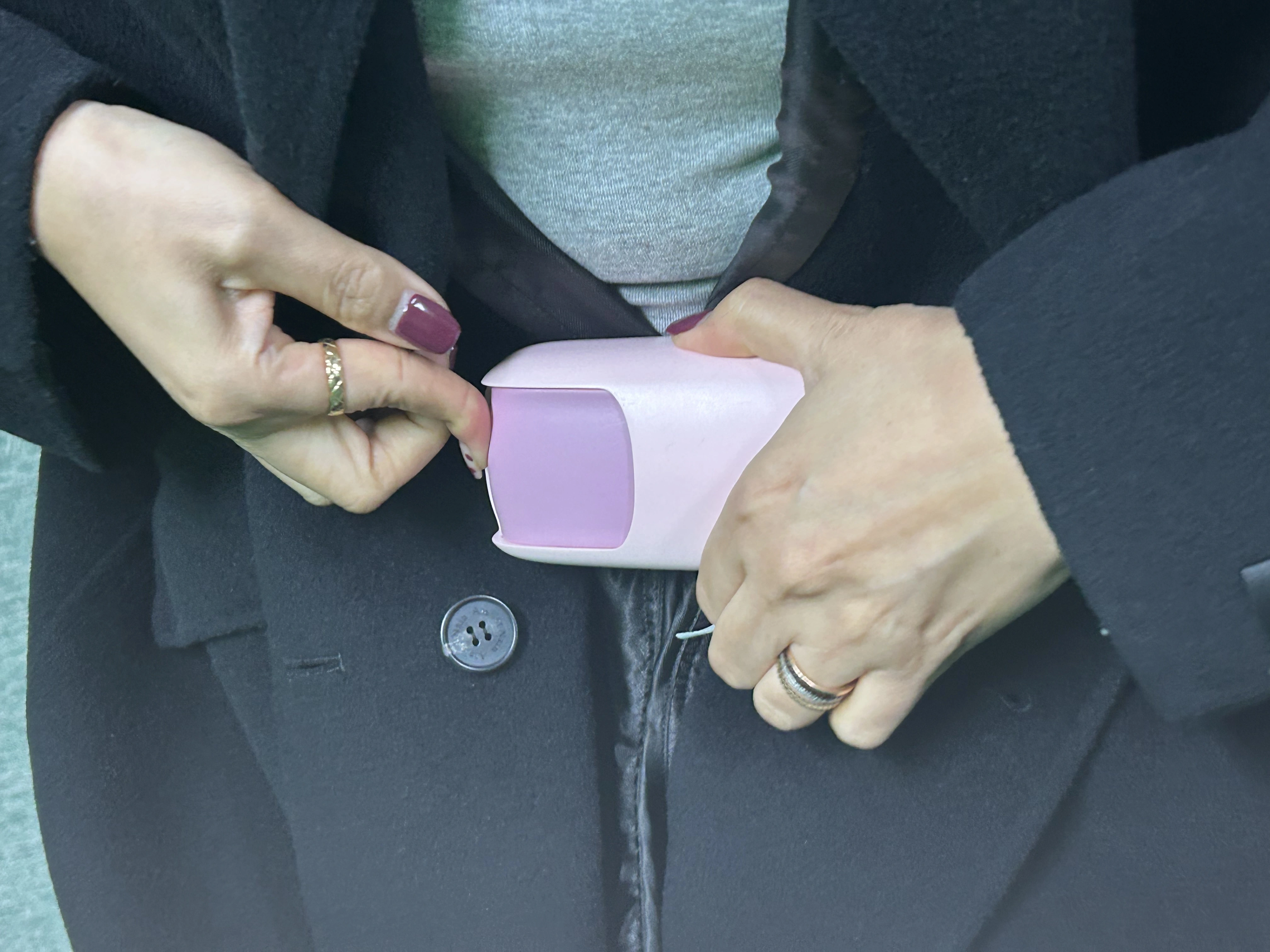
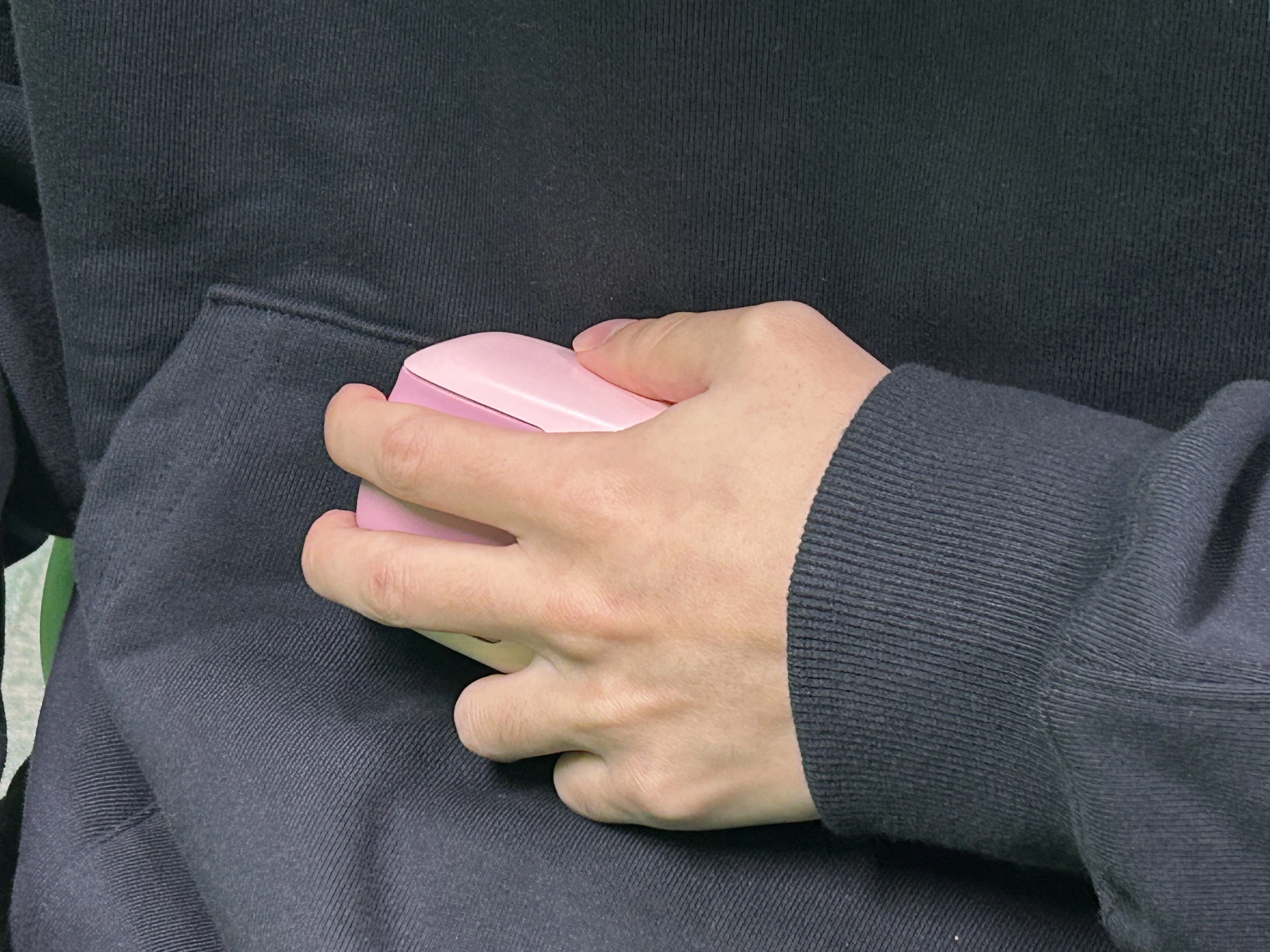
VALIDATION
We kept bringing the design back to people
We continued testing ideas throughout development—co-creating early forms with multidisciplinary stakeholders, refining the product through prototyping, and returning to patients and clinicians for validation.
LESSON I LEARNED
Learning what makes an XR coach worth returning to

Each conversation revealed something we had missed
Blloom involved more direct engagement with users than any of my previous projects. Their unexpected feedback challenged our assumptions and helped us refine details we would otherwise have overlooked. I learned to keep revisiting design decisions as our understanding of users deepened.

Collaboration started with understanding each other’s priorities
Working with engineers for nearly a year taught me to understand the reasoning behind their priorities and communicate my own. Finding common ground meant considering technical constraints alongside the experiences we wanted to create.

Designing for treatment meant understanding life around it.
The experience extended beyond the injection itself. Privacy, discomfort in public, and the emotional burden of treatment shaped how people used the product. I learned to consider how design could help people manage treatment on their own terms.